The Allure of High-Stakes Gambling
The world of high-stakes casino gambling is often seen as a haven of excitement and thrill. The allure of winning large sums of money can be intoxicating, drawing in individuals from all walks of life. This allure is not simply about the financial gain; it also taps into deeper psychological needs such as the desire for power, validation, and a sense of control. For many, the casino provides a break from reality, offering an environment where the usual rules of life can be suspended, even if only for a few moments. Many players, especially those seeking to play in a safer environment, look for casinos not on gamstop uk to enhance their gaming experience.

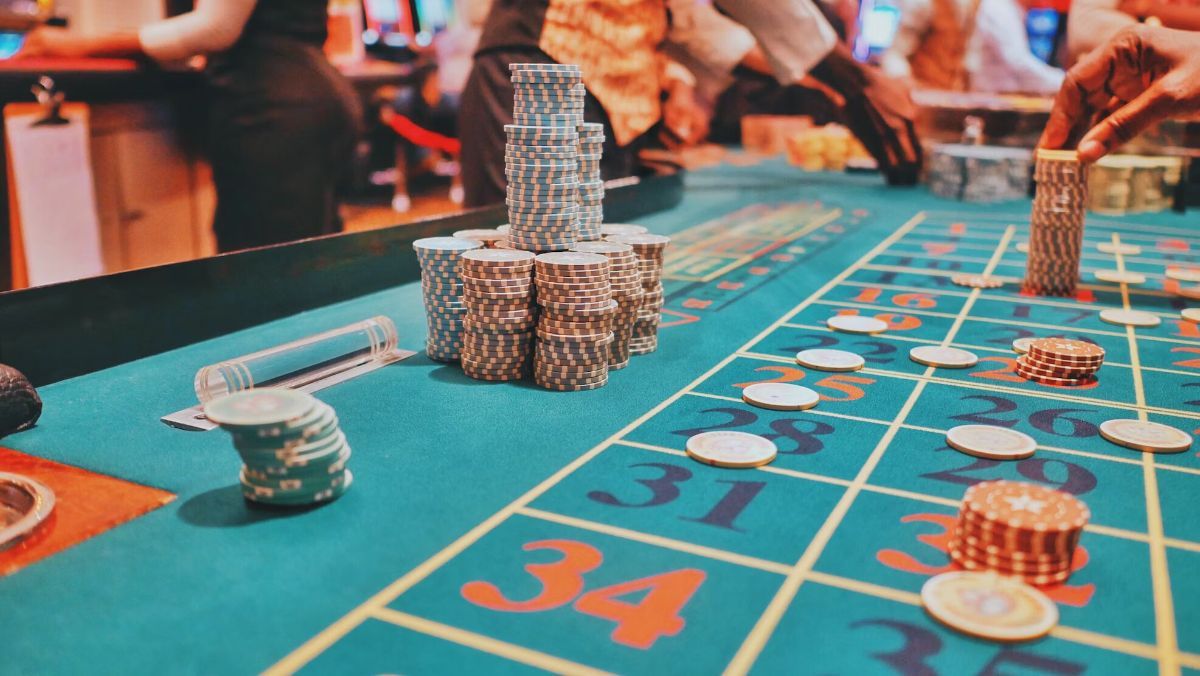
Moreover, high-stakes games often create a unique atmosphere filled with intense emotions. The flashing lights, the sounds of spinning wheels, and the adrenaline rush of placing a big bet combine to create an exhilarating experience. This combination can trigger the release of dopamine in the brain, reinforcing the behavior and enticing players to bet more. Understanding this psychological phenomenon is crucial for grappling with the reasons behind such a risky pursuit.
Risk and Reward: The Psychological Balancing Act
The psychology of risk and reward plays a significant role in high-stakes gambling. Players are constantly weighing the potential rewards against the risks involved. This balancing act is often influenced by cognitive biases, such as the gambler’s fallacy, where individuals believe that past outcomes can affect future results. Such biases can lead gamblers to take unnecessary risks, convinced that they are due for a win, despite the odds being against them.
Furthermore, the perception of risk can be distorted in a casino setting. The high-energy environment can heighten emotions, causing players to overlook the statistical realities of their situation. When the thrill of the gamble overshadows rational thought, decisions can become impulsive and driven by emotion rather than logic. Understanding this psychological dynamic is essential for those looking to comprehend the motivations and behaviors of high-stakes gamblers.
The Role of Environment in Gambling Behavior
The environment of a casino is meticulously crafted to enhance the gambling experience and influence behavior. Elements such as lighting, sounds, and spatial design work together to create an immersive atmosphere that can affect a player’s mindset. For example, the lack of windows and clocks can distort a sense of time, causing individuals to lose track of how long they have been gambling. This manipulation of the environment is a powerful psychological tool that keeps players engaged longer than they might intend.
Additionally, social factors play a crucial role in gambling behavior. The presence of other players can create a sense of camaraderie and community, making the experience more enjoyable. However, it can also lead to competitive behavior, pushing individuals to take larger risks to maintain their social standing among peers. Understanding the interplay of these environmental and social factors can provide deeper insights into the psychology of high-stakes casino gambling.
Addiction and the Dangers of High-Stakes Gambling
While high-stakes gambling can be exciting, it also carries significant risks, particularly regarding gambling addiction. The thrill of winning can become an addictive cycle, where the experience becomes less about fun and more about the compulsion to gamble. The psychological mechanisms that drive addiction often include a combination of emotional, social, and environmental influences that create a feedback loop of behavior that is difficult to escape.
Moreover, the consequences of gambling addiction can be severe, impacting not only the individual but also their relationships and financial stability. Understanding the psychology behind these addictive behaviors is essential for both gamblers and those supporting them. Addressing these issues requires a comprehensive approach that includes awareness, empathy, and support systems to help individuals reclaim their lives from the grip of addiction.
Support and Resources for Gamblers
For individuals struggling with the complexities of high-stakes gambling, resources and support systems are critical. Organizations that provide guidance and support for compulsive gamblers are invaluable in addressing the psychological aspects of gambling addiction. These resources often focus on emotional well-being, offering therapy and support groups designed to help individuals cope with their struggles.
Additionally, education about the risks and rewards associated with gambling can equip individuals with tools to make informed decisions. The goal is not just to discourage gambling but to foster healthier attitudes toward risk and reward in a broader context. Resources can empower individuals to seek help, understand their behaviors, and ultimately find a balance that prioritizes their well-being, ensuring they navigate the complexities of gambling responsibly.